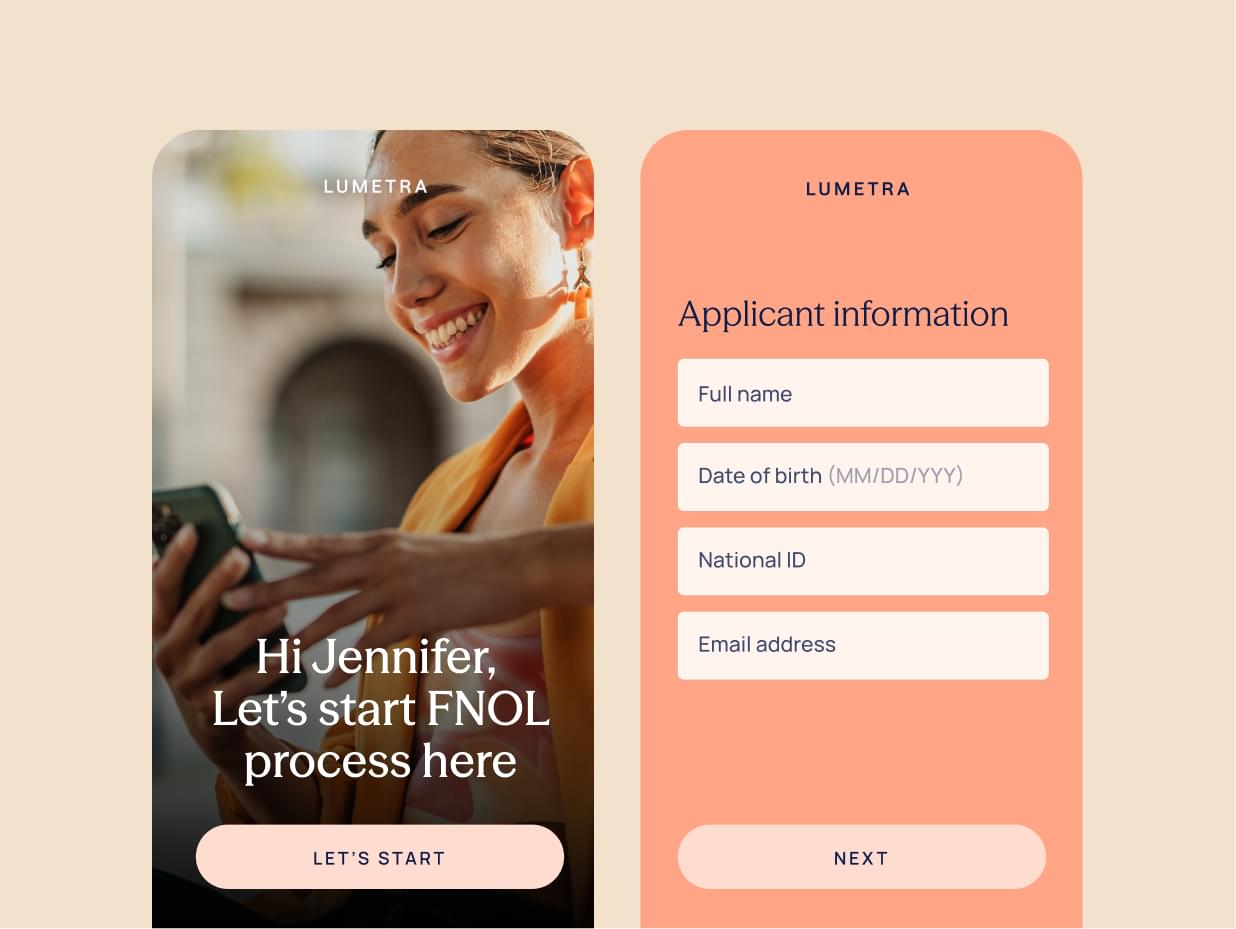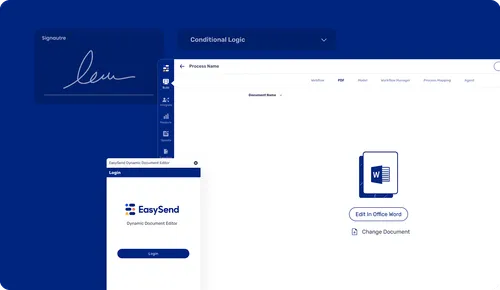
Businesses are moving beyond static forms and paper-based processes toward dynamic documents, eContracts, and advanced eSignature workflows. These technologies enable real-time personalization, structured data collection, automated workflows, and seamless integration with CRM, ERP, and other business systems. The result is faster transactions, improved data quality, stronger compliance, and more efficient customer interactions. Rather than maintaining multiple forms and manual processes, organizations can use adaptive digital experiences that respond to customer input and streamline data collection from start to finish.
In 2026, businesses faced unprecedented challenges in managing data collection and digital customer interactions. As digital transformation accelerates across industries, more organizations are turning to dynamic documents, eContracts, and eSignatures to streamline processes, enhance customer experiences, and maintain competitive advantage.
These tools are more than just digital versions of paper—they represent a fundamental shift in how businesses collect, organize, and process data. Let's explore the key data collection trends in 2025 and examine how dynamic documents, eContracts, and eSignatures are shaping the future of customer interaction.
1. Real-time, dynamic documents: adaptive and responsive
Traditional static forms are being replaced by dynamic documents that can change based on user input. In 2025, businesses are shifting toward dynamic documents that respond in real-time to customer data, presenting only relevant fields and information. This not only improves the customer experience by reducing friction but also increases data accuracy and reduces the need for follow-ups.
Benefits:
- Personalized Interactions: Dynamic documents offer personalized experiences by adjusting to individual user needs and data, making each interaction more meaningful.
- Error Reduction: By showing or hiding fields based on user input, businesses reduce mistakes, improving the quality of collected data.
- Efficiency: Customers can complete these documents faster, increasing the speed of transactions and reducing drop-off rates.
2. eContracts: simplifying complex agreements
eContracts are playing a pivotal role in streamlining how businesses manage legally binding agreements. Gone are the days of manual signatures, document scanning, and back-and-forth emails. In 2025, eContracts are becoming dynamic, meaning they can evolve as negotiations progress. Parties can adjust clauses, add conditions, and update terms in real-time, ensuring that contracts reflect the most up-to-date agreements.
Benefits:
- Speed of Execution: eContracts significantly reduce the time it takes to draft, negotiate, and finalize agreements. This is crucial in fast-moving industries like insurance, financial services, and real estate.
- Transparency and Tracking: With digital contracts, both parties have visibility into the status of the agreement, eliminating confusion over deadlines and responsibilities.
- Regulatory Compliance: eContracts can automatically enforce compliance checks, ensuring that agreements meet regulatory standards such as GDPR, HIPAA, or specific industry requirements.
3. eSignatures: beyond simple signing
The adoption of eSignatures is no longer a trend—it's a necessity. In 2025, eSignature platforms are evolving to do much more than just allow users to sign a document. They now offer features like serial and parallel signing, real-time collaboration, and secure identity verification. Additionally, eSignatures can now be integrated into complex, multi-step workflows that involve multiple parties and stakeholders.
Benefits:
- Serial and Parallel Signing: Organizations can manage complex signing processes more efficiently by automating the workflow. Signatures can be collected in sequence (serial) or simultaneously (parallel), ensuring faster approval cycles.
- Security and Trust: With advanced encryption and authentication measures, businesses ensure that eSignatures are secure and legally binding.
- Improved Customer Experience: Customers appreciate the convenience of signing documents from any device, without needing to print, scan, or mail physical papers.
4. Data collection with eContracts and eSignatures: structured and actionable
The role of data collection in 2025 has shifted from simply gathering information to leveraging it for deeper insights and automation. eContracts and eSignatures are becoming essential tools for structured data intake—not just as endpoints in a transaction, but as data-rich touchpoints that integrate seamlessly into broader systems like CRM, ERP, and BPM platforms.
Key Trends:
- Integration with Core Systems: Dynamic documents and eSignatures are being directly integrated with business systems, enabling real-time data flow between contracts, customer records, and operational systems. This eliminates the need for manual data entry and reduces errors.
- AI-Powered Insights: The data captured through dynamic documents and eContracts can be used to fuel AI-driven analytics. This allows businesses to predict customer behavior, assess contract risk, and optimize sales and service workflows.
- Omnichannel Data Collection: In 2025, businesses need to collect data from multiple sources—email, SMS, social media, and more. Dynamic documents and eSignatures enable seamless integration of these channels into a single, cohesive data stream.
5. Compliance and data security in 2025: a growing priority
With the rise of big data comes a significant increase in security and compliance challenges. In 2025 data security is not just about encrypting information—it's about creating an end-to-end secure environment where sensitive customer data is protected at every step. As more personal data is collected through dynamic forms and contracts, businesses must comply with global standards like GDPR, HIPAA, and SOC2.
Best Practices:
- Built-In Compliance: Modern eContract and eSignature platforms automatically enforce compliance regulations, making it easier to meet international standards.
- Encryption and Identity Verification: Ensuring that every document and signature is encrypted and that signers are properly authenticated is critical to maintaining trust.
- Audit Trails: eSignature platforms offer detailed audit trails, showing every interaction with a document, from creation to signature, ensuring full transparency and accountability.

6. Dynamic documents: one form, infinite flexibility
In the past, businesses often had to create multiple versions of a form to accommodate different customer types, preferences, or regional requirements. This approach was inefficient, prone to errors, and required significant maintenance. However, dynamic documents have revolutionized this process, enabling businesses to use a single, adaptive form that automatically adjusts to the needs of each individual user.
Rather than creating 10 different versions of a form to meet various requirements, dynamic documents allow you to deploy one form that changes based on customer input. For example, fields can appear or disappear, sections can expand or collapse, and conditional logic can direct users through different pathways—all based on their responses. This adaptability simplifies both the creation and completion of documents, improving efficiency and accuracy while ensuring that every customer gets a tailored experience.
Benefits of Adaptive Forms:
- Simplified Management: With one adaptive form, you eliminate the need to maintain multiple versions, significantly reducing administrative overhead and the risk of using outdated forms.
- Personalized User Experience: Each customer interacts with a form that is relevant to them, with unnecessary fields hidden and only applicable information requested. This creates a more streamlined, user-friendly experience.
- Improved Accuracy: Dynamic forms reduce confusion by only presenting customers with fields that are relevant to them, minimizing the chances of incorrect or incomplete data entry.
- Increased Efficiency: Businesses can automate complex workflows by using dynamic documents that adapt in real-time, leading to faster completion times and fewer touchpoints.
By embracing dynamic documents, businesses can not only reduce friction for customers but also streamline their internal processes, ensuring faster, more accurate data collection without the hassle of managing multiple form versions.
The future of data collection in 2025
In 2025, the way businesses collect and manage customer data is undergoing a profound transformation. Dynamic documents, eContracts, and eSignatures are no longer just tools for digitizing paper processes—they are essential for building efficient, scalable, and customer-focused data collection strategies. By leveraging these technologies, businesses can reduce friction, improve accuracy, and create real-time, personalized interactions that meet the ever-evolving demands of the digital age.
At EasySend, we’re at the forefront of this transformation. Our no-code dynamic customer interaction platform helps businesses deliver seamless customer experiences, collect data securely, and accelerate time to market. If you’re ready to transform your digital processes, contact us today at EasySend.io.
FAQ

Forget forms. Create digital customer journeys.