Insurance customers expect fast, personalized, and seamless digital experiences, but many insurers still struggle with fragmented systems, slow communication, repetitive data collection, complex processes, and disconnected digital tools. These pain points create frustration for policyholders and increase operational costs for insurers.
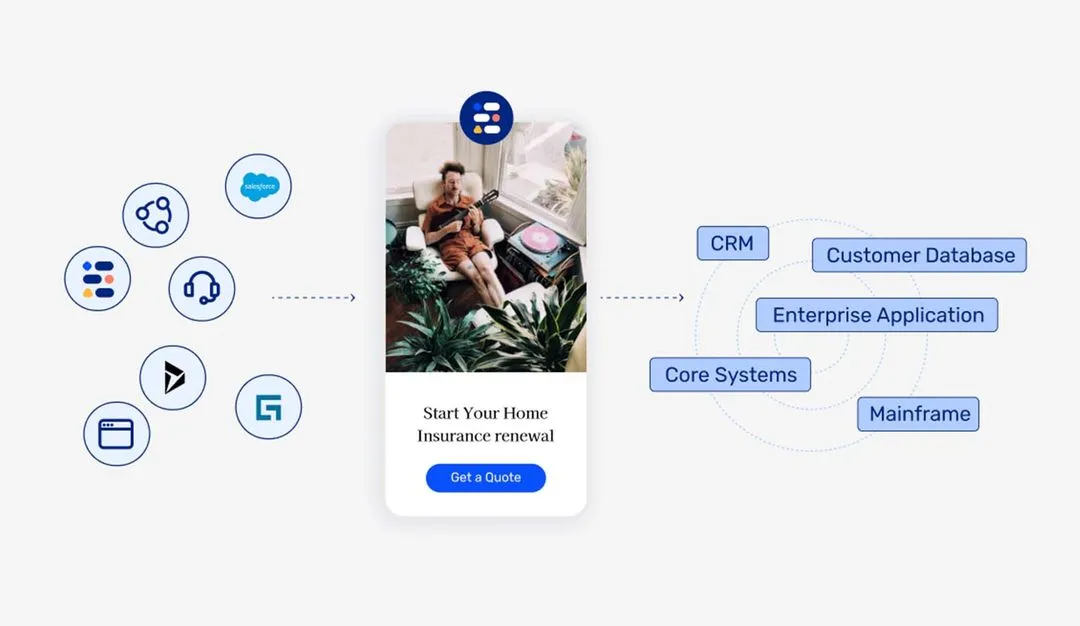
A dedicated customer interaction platform helps insurers solve these challenges by unifying customer communications, automating workflows, integrating with core systems, and creating personalized digital journeys. Platforms like EasySend act as the interaction layer between customers and insurance operations, enabling insurers to deliver faster, more responsive, and more customer-centric experiences across the entire policy lifecycle.
The insurance industry, with its myriad of complex processes and customer expectations, faces significant challenges in ensuring smooth, efficient, and customer-centric interactions. Addressing these challenges requires a focused approach to not only meet but exceed customer expectations. Here's a deeper dive into some critical pain points and how dynamic customer interactions can help mitigate these issues:
- Lack of Seamless Digital Communication: Policyholders often prefer modern, digital-first communication methods like social media, email, or mobile apps. When insurers fail to engage through these preferred channels, it can lead to a sense of frustration and disconnect, making customers feel undervalued and overlooked
- Need for Real-Time Communication and Support: One of the most pressing frustrations for policyholders is the lack of immediate responses from their insurance providers. Delays in communication, especially during urgent situations, can exacerbate stress and dissatisfaction, making it critical for insurers to implement instant communication solutions like chatbots or live chats.
- Desire for Personalized Interactions: In the competitive insurance market, personalized service is more than a luxury—it’s a necessity. Traditional, one-size-fits-all interactions, hindered by outdated systems, can make policyholders feel like just another number, undermining loyalty and the overall relationship.
- Inefficient Claim Processing: Filing a claim is often cumbersome and slow, plagued by manual processes that can lead to errors and delays. Policyholders expect a streamlined, transparent claims process that minimizes hassle and maximizes efficiency, underscoring the need for automated and AI-enhanced claims handling.
- Repetitive Information Sharing (“Ping-Ponging”): Having to repeatedly provide the same information during insurance interactions is not only tedious but also frustrating for policyholders. Efficient data management that recalls previous interactions and integrates new data seamlessly is essential to reducing this friction and enhancing the customer experience.
- Simplification of Complex Processes: Insurance procedures often involve multiple intricate steps, which can be confusing and opaque for policyholders. The lack of a fully integrated digital transformation creates barriers and leads to incomplete experiences, highlighting the need for clear and simplified processes that are easy to understand and navigate.
- Friction in Digital Adoption: Despite technological advancements, the fragmentation of digital tools and interfaces often results in inefficient and disjointed experiences. Policyholders face challenges in adopting digital solutions that are not well integrated, which can deter them from utilizing digital services and limit their engagement.
The need a dedicated customer interaction platform
Insurers need to prioritize customer interactions and invest in a dedicated platform that can cater to their specific needs. A one-size-fits-all solution or a combination of disparate tools may not be sufficient to deliver an optimal experience for customers. Here are some key benefits of having a dedicated customer interaction platform:Addressing customer pain points with dynamic customer interactions in insurance involves a strategic approach to enhancing the customer experience by leveraging advanced technologies and thoughtful design.

1. Personalization of Customer Interactions
Dynamic customer interactions start with personalization, which involves understanding the unique needs and preferences of each customer. Insurance companies can use data analytics to segment customers based on their behavior, history, and preferences, allowing them to tailor interactions. For example, if a customer prefers digital communication, insurers can ensure that all notifications, updates, and correspondences are sent through email or mobile apps.
2. Integration of Multiple Communication Channels
Customers interact with insurers through various channels, including phone calls, emails, social media, and chatbots. Integrating these channels using a unified platform ensures that the customer has a consistent experience across all points of contact. This approach allows for seamless transitions between channels without loss of data or context, effectively reducing the frustration associated with having to repeat information.
3. Real-Time Responsiveness
Insurance processes often require collecting and processing large amounts of information, which can delay responses. Dynamic interaction systems can automate many aspects of data collection and analysis, providing real-time responses to customer inquiries and claims. For instance, chatbots equipped with AI can instantly access customer profiles and policy details to answer questions or initiate claims without delay.
4. Proactive Engagement
Dynamic interactions also involve proactive communication with customers. This could mean sending reminders for policy renewals, informing customers about potential risks they might be exposed to, or advising them on how to reduce premiums. By engaging customers proactively, insurers can prevent issues before they arise and build stronger relationships.
5. Feedback Loops
Implementing feedback mechanisms within the interaction process helps insurers continuously improve their service. Dynamic interaction platforms can prompt customers to rate their satisfaction after each contact point, providing insurers with real-time feedback to quickly address potential issues or identify areas needing improvement.
6. Simplification of Complex Processes
The inherent complexity of insurance procedures can be a significant pain point for customers. Dynamic systems can simplify these processes by guiding customers through digital pathways that explain each step clearly and concisely. For example, rather than navigating through complicated forms, customers can interact with a digital assistant that collects information through a conversational interface.
7. Data Security and Transparency
Given the sensitive nature of personal and financial information handled by insurance companies, ensuring data security is crucial. Dynamic systems should not only be secure but also transparent about how customer data is used. Clearly communicating these policies helps build trust and reassures customers about their privacy.
8. Integration with Core Systems
For interactions to be truly dynamic, they need to be integrated with the insurer's core systems such as CRM, policy management, and claims handling. This integration allows for a smoother flow of information, reducing the need for manual data entry and the errors associated with it.
The bottom line
In today's digital landscape, insurers cannot afford to overlook the importance of offering seamless and intuitive digital experiences to their customers. A customer interaction platform can help insurers enhance their processes, improve customer satisfaction, and stay competitive in a rapidly evolving market. By eliminating inefficiencies and reducing complexity, this solution allows insurers to focus on what matters most - building strong relationships with their customers.
A customer interaction platform is designed to address the myriad challenges insurers face in delivering seamless digital experiences. By offering an integrated and coherent digital environment, it eliminates the inefficiencies associated with fragmented tools and processes, ensuring that each interaction is intuitive and streamlined. This broad solution approach not only enhances process simplification but also significantly reduces friction in digital adoption. As one unified platform it allows various stages of the insurance journey to mesh seamlessly, reducing the complexity for both the customer and the insurer.
EasySend is a built-for-purpose customer interaction platform. We have developed a robust interaction layer specifically designed to revolutionize how insurers and financial services companies engage with their customers. Our technology serves as a bridge, seamlessly connecting user interactions with core operational systems, providing the agility and flexibility to create a customer-centric experience, without the need for complex and time-consuming IT projects.
FAQ

Forget forms. Create digital customer journeys.


